

Your conditioning goals directly impact the kind of gear you need to invest in. Muscle building targets often involve free weights or weight machines, while cardio-focused objectives benefit from treadmills, stationary bikes, or elliptical trainers. Reports reveal that individuals who arrange gym equipment decision with particular exercise objectives are 40% more prone to adhere to a constant exercise routine.
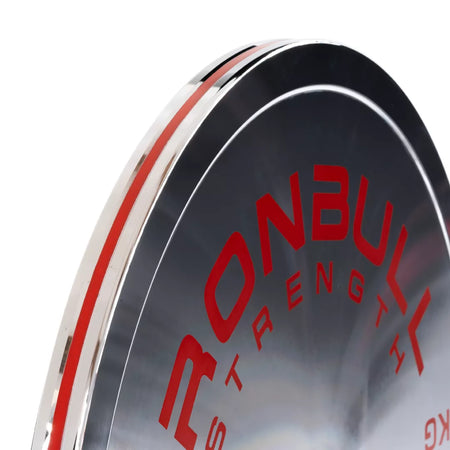
What's the big difference between free loads and models?
Free loads, such as for example dumbbells and barbells, interact stabilizing muscles and improve balance. Products, on the other give, manual motion and are often better for beginners. Study shows that novices using opposition products experienced a thirty days quicker preliminary strength obtain compared to free weights, but sophisticated lifters benefit more from free loads when it comes to functional strength.
How important is cardio gear for exercise?
Cardio equipment like treadmills, rowers, and ellipticals supports center health, energy, and calorie burn. According to the National Center Association, average cardio periods of 150 moments per week can minimize cardiovascular chance by as much as 35%. People who integrate cardio devices with muscle building see a 25% larger overall fitness improvement.
Should I consider multifunctional gear?
Multifunctional products, such as for example wire methods or home gyms, let multiple exercises in a limited space. Statistics show that 62% of home fitness space owners prefer multifunctional gear since it increases effectiveness and decreases the need for numerous machines.
How do budget and room influence equipment choice?
Budget and accessible place are essential factors. High-end treadmills or elliptical teachers may cost well over $2,000, while lightweight resistance companies or flexible weights may cost below $200. Place restrictions often drive buyers toward small or flip-up equipment. Data shows that home gym users with limited space invest 35% less on gear but maintain related workout volume in comparison to those with big setups.
What position does usability and comfort play?
Equipment ergonomics and simplicity significantly influence long-term adherence. Models with adjustable chairs, grips, and weight controls improve comfort and minimize the risk of injury. Surveys reveal that 70% of gym-goers abandon exercises because of uncomfortable or daunting equipment.
How can technology improve gear choice?
Modern fitness center equipment often involves tracking functions, fun screens, and software integration. Devices that provide real-time feedback and progress monitoring improve workout involvement by as much as 45%, in accordance with new conditioning market reports.
Could it be necessary to consult an expert before buying gym gear?
Yes. Exercise teachers or physiotherapists can evaluate your system form, conditioning level, and goals to recommend equipment that decreases damage risk and optimizes results. Skilled guidance increases success rates by 30–40% for equally house and professional fitness center setups.
Can equipment decision impact determination?
Absolutely. Research highlights that persons applying gear they like are twice as likely to steadfastly keep up regular exercise behaviors over six months. Selecting gear that matches your model and choice can be just as crucial as their specialized specifications.
What's the long-term good thing about selecting the right gym equipment?
Investing in appropriate fitness center gear aligned together with your goals may cause increased reliability, quicker development, and reduced damage risk. Information from exercise reports suggest that people with well-planned fitness center configurations reach their goals 25% quicker than these applying mismatched equipment.